Power distribution systems are no longer static infrastructure assets. They are dynamic, mission-critical platforms that must adapt to evolving loads, new technologies, stricter codes, and rising expectations for uptime and safety. As utilities, industrial operators, data centers, and commercial facilities modernize their electrical environments, the risks associated with fragmented design and short-term decision-making continue to grow.
Lifecycle planning and engineering addresses these risks by treating power distribution as a long-term system rather than a collection of components. From initial load studies and equipment selection to commissioning, expansion, and eventual replacement, lifecycle-based engineering ensures power systems are built to perform reliably over decades of use. In modern power distribution, this approach is no longer optional … it is essential to protecting capital investments, maintaining operational continuity, and supporting future growth. This article defines and explores 3 primary reasons for lifecycle planning and engineering for any given electrical power distribution system.

Power distribution engineering, when guided by robust lifecycle planning, is essential for building resilient and future-ready electrical systems.
The Hidden Costs of Point-In-Time Power Distribution Design
Point-in-time power distribution design typically prioritizes immediate load requirements, budget constraints, and project schedules. While this approach may satisfy near-term operational needs, it often underestimates how electrical systems evolve under real-world conditions. Load growth, process changes, regulatory updates, and technology adoption routinely outpace original assumptions, leaving systems strained or noncompliant well before the end of their intended service life.
Technically, these challenges manifest in several ways. Switchboards and power distribution centers may lack adequate bus capacity, spare breaker positions, or physical space for future expansion. Protective device coordination may become compromised as additional loads are added, increasing the likelihood of nuisance trips or extended fault-clearing times. Cable pathways that were optimized for initial installation may become congested, complicating maintenance and increasing the risk of thermal derating.
Lifecycle planning addresses these issues through detailed front-end engineering. Engineers perform load flow and short-circuit studies that account for projected growth, not just current demand. They evaluate thermal margins, fault-withstand ratings, and equipment clearances to ensure systems remain compliant and serviceable over time. By designing with future conditions in mind, lifecycle-based engineering reduces the frequency of forced outages, emergency retrofits, and premature equipment replacement, all of which contribute significantly to total cost of ownership.
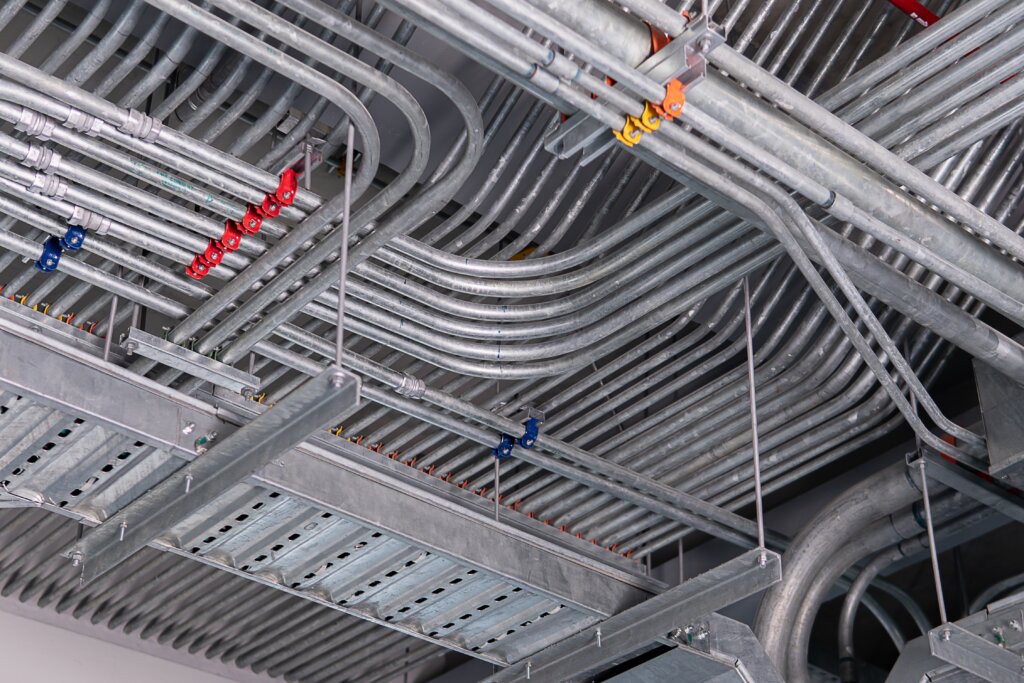
Example of an overcrowded electrical conduit layout for cable routing, with minimal room for expansion.
Lifecycle planning in power distribution design and engineering proactively anticipates future growth and change … ensuring that systems remain reliable, compliant, and cost-effective throughout their entire service life.
Engineering for Safety, Scalability, and Performance Across the Lifecycle
Safety, scalability, and performance are interdependent characteristics of a well-engineered power distribution system. Lifecycle engineering integrates these elements from the earliest design stages rather than addressing them reactively after installation.
From a safety standpoint, lifecycle planning incorporates fault current analysis, selective coordination, and arc-flash mitigation strategies that remain effective as the system expands. Engineers select equipment with appropriate short-circuit ratings, specify protection schemes that maintain coordination across operating scenarios, and design layouts that support safe access for maintenance personnel. This proactive approach reduces risk not only during normal operation but also during system modifications and troubleshooting activities.
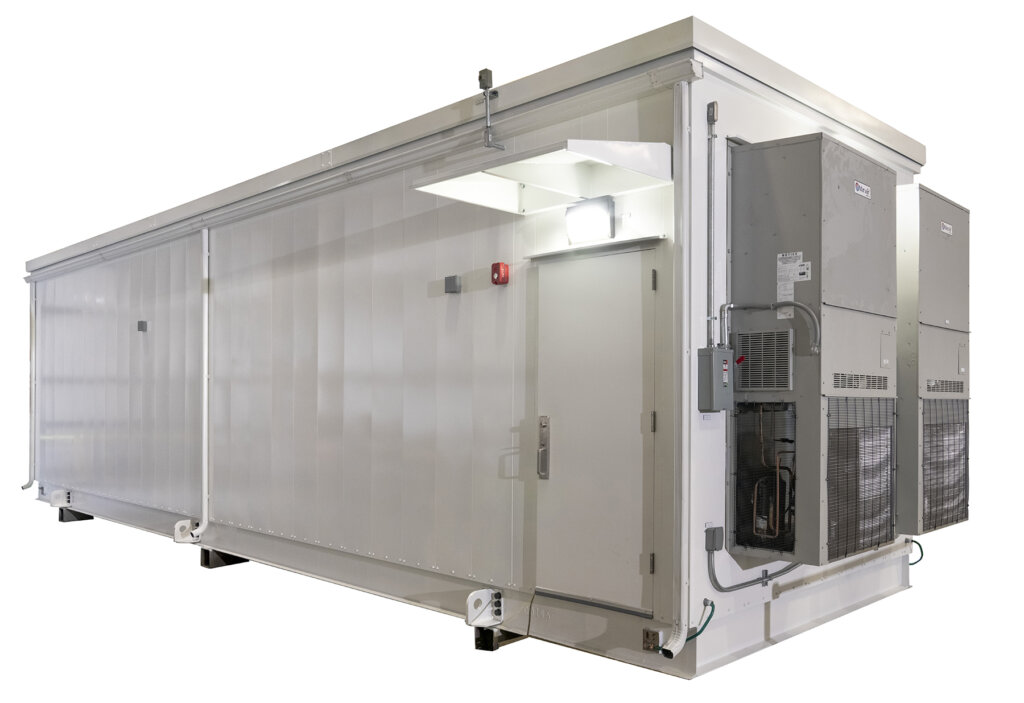
Example of a Trystar custom-engineered Power Distribution Center solution.
Scalability requires both electrical and physical flexibility. Lifecycle-based designs incorporate modular architectures, standardized interfaces, and provisions for additional feeders or distribution sections. Power distribution centers, docking stations, and switchboards are engineered to accommodate increased loads without compromising system integrity. This flexibility allows facilities to scale capacity incrementally, minimizing disruption and avoiding overbuilding during initial deployment.
Performance optimization extends beyond nameplate ratings. Engineers consider voltage regulation, harmonic distortion, and thermal performance across varying load conditions. Proper cable selection, bus design, and load balancing contribute to system efficiency and reliability. By maintaining performance margins throughout the lifecycle, power distribution systems can support high-demand applications while preserving equipment longevity and operational stability.
Lifecycle engineering in power distribution ensures safety, scalability, and performance … all of which are integrated from the start, and protect both personnel and infrastructure as systems evolve and demands increase.
End-to-End Power Distribution Requires a Systems-Level Perspective
End-to-end power distribution is best understood as a continuous engineering process rather than a linear project sequence. A systems-level perspective ensures that each phase, from design through operation, reinforces overall system objectives rather than introducing unintended constraints.
Lifecycle planning aligns design intent with manufacturing and integration realities. Engineers collaborate with manufacturing teams to ensure that custom configurations meet performance requirements while remaining serviceable and repeatable. Factory testing validates electrical integrity, protection schemes, and control functionality before deployment, reducing commissioning risk and accelerating time to operation.
Integration considerations extend to installation and long-term maintenance. Equipment layouts account for field wiring access, service clearances, and future modifications. Standardized components simplify spare parts management, while configurable designs preserve the ability to tailor solutions to specific applications. Load banks and testing provisions support ongoing validation of system performance as operating conditions change.
This holistic approach becomes increasingly critical as power distribution systems grow more complex. Higher power densities, distributed energy resources, and mission-critical uptime requirements demand coordination across equipment, controls, and operational practices. Lifecycle-based, end-to-end engineering ensures that power distribution systems function as cohesive platforms, capable of adapting to change without sacrificing reliability or safety.
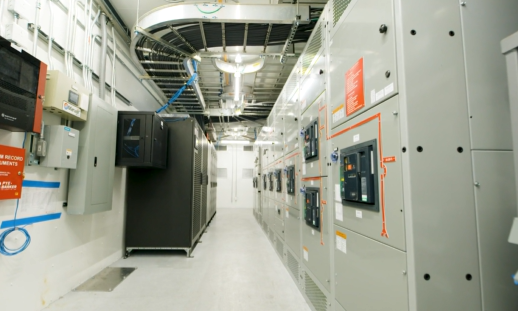
Interior of a Trystar custom-engineered Power Distribution Center solution.
A lifecycle-based, end-to-end engineering approach ensures power distribution systems remain reliable, adaptable, and safe for both operations and personnel … even as complexity and demands increase.
Conclusion: Trystar’s Role in Lifecycle-Driven Power Distribution
Trystar approaches power distribution planning and engineering with a lifecycle mindset. Every solution is custom-engineered to support safety, scalability, and performance across the full lifecycle of the power distribution system. From initial concept and design through manufacturing, testing, and long-term operation, Trystar focuses on delivering systems that adapt as customer needs evolve.
This lifecycle approach is reinforced through Trystar’s engineering and services capabilities, which support customers at every stage of the power distribution system’s lifespan. Front-end engineering and system assessments help define accurate load requirements and future expansion pathways. Integrated manufacturing and factory testing validate performance before deployment, thus reducing commissioning risk. Ongoing services, including system modifications, testing, and lifecycle upgrades, help ensure power distribution assets remain compliant, reliable, and aligned with changing operational needs.
By combining technical expertise with a systems-level perspective, Trystar helps customers reduce risk, control total cost of ownership, and maintain reliable power in critical environments. In a landscape where power demands continue to grow and change, lifecycle planning is the foundation of resilient power distribution. Trystar delivers that foundation through thoughtful engineering and end-to-end execution.
Partner with Trystar to future-proof your power distribution systems. Let us help you build a resilient foundation for your evolving power needs. Connect with our team today to discover how lifecycle-based planning can enhance safety, scalability, and performance for your facility now … and for years to come.