Power resiliency has become a defining requirement for commercial and industrial critical facilities, shaping the way organizations approach infrastructure and risk management. In an era where digital transformation and automation drive nearly every sector, the expectation for continuous, reliable operations has never been higher. Facilities such as hospitals, data centers, manufacturing plants, and financial institutions cannot afford even brief power interruptions without risking significant consequences. Consequences can include compromised life safety, interrupted productions, loss of critical data, regulatory exposure, and lasting reputational harm. The complexity and interdependence of modern systems mean that a single point of failure can cascade rapidly, amplifying operational and financial risks.
As the world grows increasingly dependent on uninterrupted operations, the ability to withstand and quickly recover from power disruptions is no longer optional … it is essential. Power resiliency ensures that critical services remain available, data remains secure, and business continuity is maintained even in the face of unforeseen events. Organizations that invest in resilient electrical infrastructure are better prepared to withstand disruption, satisfy regulatory requirements, and maintain the confidence of customers and stakeholders. In this landscape, power resiliency is not just a technical consideration but a strategic imperative that forms the foundation of safety, reliability, and long-term success of critical facilities. This article explores the key benefits of power resiliency in critical facilities and why it is foundational to modern operations.

Power resiliency is a critical, strategic necessity for modern commercial and industrial facilities, ensuring uninterrupted operations, safety, and long-term organizational success.
The Imperative Of Power Resiliency
Critical facilities (e.g., such as hospitals, data centers, manufacturing plants, and financial institutions) operate in environments where even brief power interruptions can have outsized consequences.
In healthcare settings, a loss of power can jeopardize patient safety by disabling life-sustaining equipment and emergency systems. For data centers, outages risk data corruption, loss, or breaches, potentially impacting millions of users and critical business operations. Manufacturing facilities rely on continuous power to keep automated processes running, protect employees, and avoid costly production delays. Any disruption can halt operations, damage sensitive equipment, and result in significant financial losses. hospital life safety
, meanwhile, rely on uninterrupted power to process transactions, safeguard sensitive information, and maintain customer trust.
Across all these sectors, the risks of power loss extend beyond immediate operational impacts to include regulatory non-compliance, reputational harm, and long-term business disruption, underscoring the vital importance of power resiliency in these critical environments. The stakes are high, and power disruptions create risks that extend well beyond the initial outage, including the following:
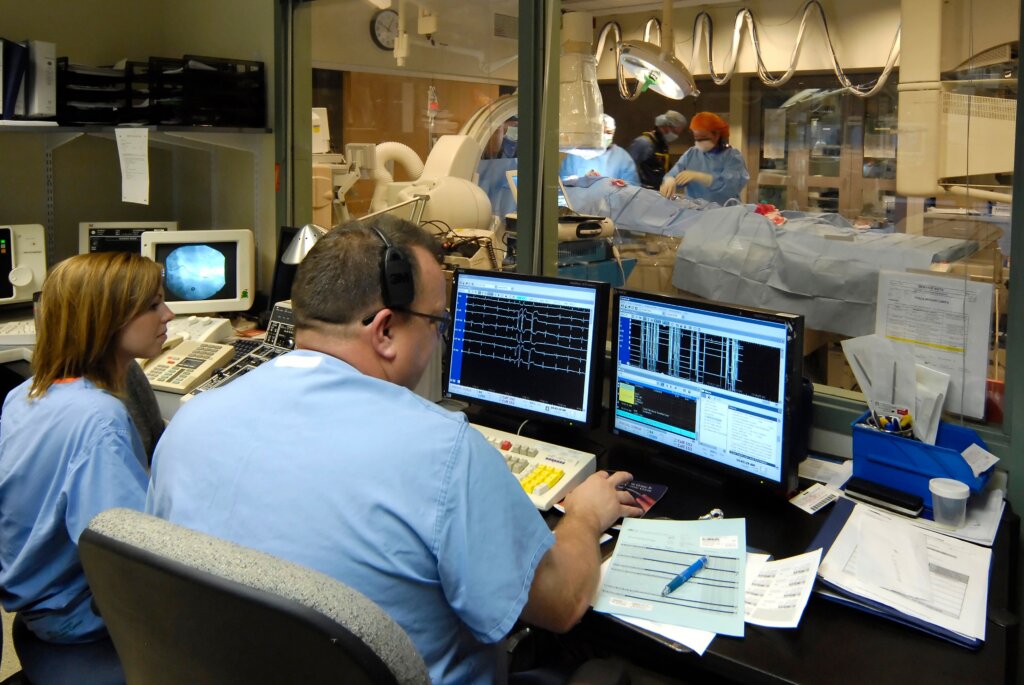
Example of medical technicians monitoring a life-saving surgical procedure.
Life Safety
In healthcare environments, continuous power is a matter of life and death. Hospitals rely on uninterrupted electricity to power ventilators, monitors, surgical equipment, and emergency lighting. In industrial settings, safety systems and emergency egress pathways depend on reliable power to prevent accidents and ensure safe evacuation. A momentary outage can compromise patient care or worker safety, underscoring the non-negotiable need for resilient power infrastructure.
Beyond hospitals, a wide range of healthcare facilities (e.g., clinics, laboratories, and long-term care centers) depend on stable power to support diagnostic equipment, preserve temperature-sensitive medications and vaccines, and maintain access to electronic health records. Any interruption can delay urgent treatments, disrupt communication between care teams, and hinder the ability to respond effectively to emergencies. Similarly, in industrial environments, power is essential not only for the operation of machinery but also for maintaining environmental controls, supporting fire protection systems, and continuously monitoring hazardous processes. Without resilient power systems, both healthcare and industrial facilities face heightened risks of serious injuries, regulatory consequences … and in the most sever circumstances, loss of life. Thus, robust electrical infrastructure is a foundational element of safety and compliance.

Example of a robotic manufacturing assembly line.
Operational Continuity
For industries that operate around the clock including manufacturing, logistics, and telecommunications, downtime is costly. Automated assembly lines come to a halt. Production schedules begin to slip, customer commitments are affected, and costs escalate quickly. Even a short disruption can cascade into significant financial losses and operational setbacks. Power resiliency ensures that critical processes remain online, minimizing the risk of unplanned outages and maintaining productivity.
In these 24/7 industries, the interconnected nature of operations means that a single power interruption can ripple across supply chains, delay shipments, and disrupt customer commitments. For manufacturers, unscheduled downtime can result in excess raw material consumption / cost, equipment damage, and costly restart procedures. In logistics, power loss can halt warehouse automation, compromise inventory management, and impede real-time tracking of goods. Telecommunications providers, meanwhile, risk service outages that can affect thousands of customers and erode trust. By investing in power resiliency, these industries not only protect their bottom line but also strengthen their ability to deliver consistent, reliable service in a highly competitive marketplace.
Data Integrity
Today’s commercial and industrial operations are data-driven. From real-time monitoring systems to transactional databases, the integrity of digital information is paramount. Power interruptions can lead to data loss, corruption, or incomplete transactions, which in turn can disrupt business operations, compromise compliance, and erode decision-making confidence. Ensuring continuous power protects the integrity and availability of vital data assets.
The consequences of compromised data integrity extend far beyond immediate operational disruptions. In sectors such as finance, healthcare, and manufacturing, accurate and accessible data are fundamental to regulatory compliance, quality control, and strategic planning. A sudden power loss can result in unsaved work or corrupt files, making it difficult to reconstruct events or verify transactions. For organizations handling sensitive or proprietary information, these vulnerabilities can also expose them to security breaches and legal liabilities. By prioritizing power resiliency, businesses safeguard not only their digital assets but also their reputation and long-term operational stability.
Compliance And Reputation
Regulatory frameworks in sectors such as healthcare, finance, and utilities often mandate specific standards for power reliability. Failure to comply can result in fines, legal liability, and reputational damage. Customers and partners expect uninterrupted service, and any deviation can undermine trust and competitive standing. Power resiliency is thus both a compliance requirement and a reputational safeguard.
Meeting these regulatory standards requires organizations to invest in robust infrastructure, implement rigorous testing protocols, and maintain detailed documentation to demonstrate ongoing compliance. Regulatory audits may scrutinize backup power systems and maintenance records, making it essential for facilities to be always prepared. Beyond the risk of financial penalties, non-compliance can lead to increased scrutiny from regulators and diminished credibility in the marketplace. In industries where trust and reliability are paramount, a single incident of power failure can have lasting repercussions, affecting customer loyalty and future business opportunities. As a result, power resiliency becomes not only a technical priority but also a strategic imperative for sustaining regulatory approval and protecting organizational reputation.
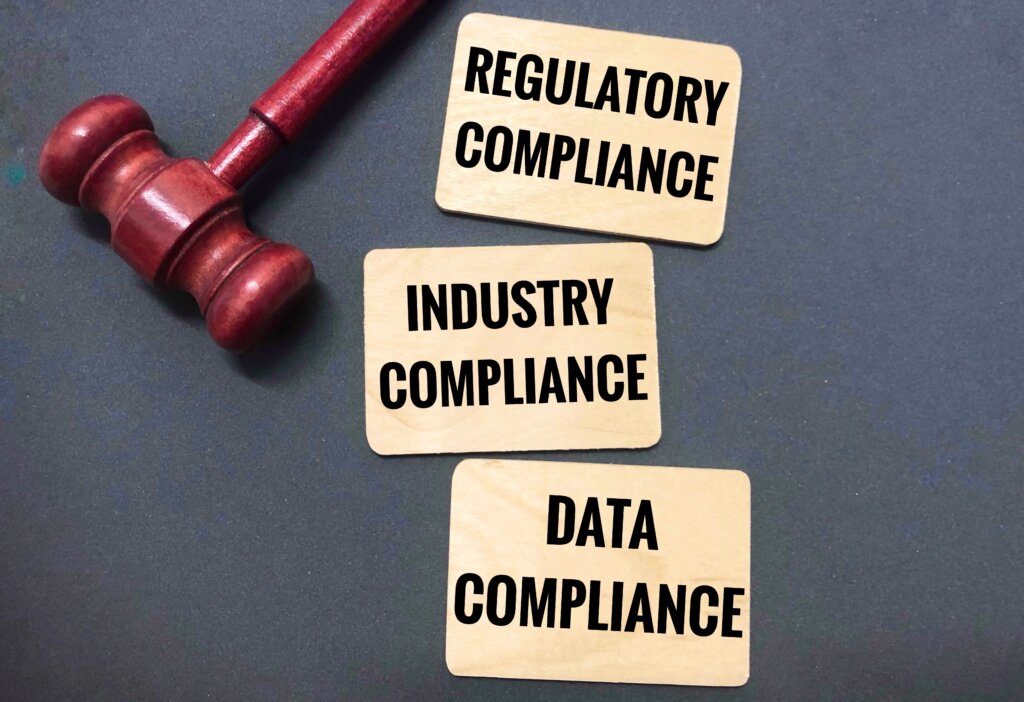
Visual representation of compliance mandates that can be complex issues and can require constant attention.
Customer Satisfaction
For organizations delivering critical services including telecommunications, cloud computing, or financial transactions; customer expectations are uncompromising. Service interruptions can lead to dissatisfaction, churn, and negative publicity. By investing in power resiliency, businesses demonstrate their commitment to reliability and customer-centricity.
In today’s connected world, customers expect instant access to services and zero tolerance for downtime. A single outage can quickly escalate on social media, damaging brand reputation and prompting customers to seek alternatives. For service providers, even brief disruptions can result in lost revenue, contractual penalties, and erosion of long-standing client relationships. Power resiliency, therefore, is not just about maintaining technical operations … it’s about upholding the promises made to customers and reinforcing the organization’s position as a dependable partner. By proactively addressing power reliability, companies can differentiate themselves in competitive markets, foster customer loyalty, and build a sustainable foundation for future growth.
Power resiliency is vital for critical facilities because even brief power interruptions can cause severe consequences across life safety, operational continuity, data integrity, regulatory compliance, reputation, and customer satisfaction.
The Path Forward
Power resiliency is not just a technical necessity … it is a strategic imperative for every critical commercial and industrial facility. By prioritizing robust power infrastructure and understanding the far-reaching impacts of power disruptions, organizations can safeguard operational continuity, protect life safety, and ensure the delivery of essential services. This commitment to power resiliency is not a one-time project, but an ongoing journey that demands vigilance, investment, and a culture of continuous improvement.
As the demands on critical facilities continue to evolve, those who lead with resiliency will be best equipped to navigate uncertainty, maintain customer trust, and achieve long-term success. Now is the time to act: assess your facility’s vulnerabilities, invest in proven solutions, and empower your teams with the knowledge and tools to respond effectively to any power challenge. For a deeper dive into actionable strategies, explore our companion article, 3 Key Strategies To Meet The Power Resiliency Demands Of Critical Facilities.
Start building your roadmap to resilience today … connect with our team today.