A consulting engineer develops a design that complies with applicable codes and standards. The equipment is properly specified … the contractor follows the drawings … installation proceeds according to plan. On Project A, the inspection is completed without issue. The system is approved, energized, and placed into service on schedule. But on Project B, which uses the same design, equipment, and installation approach, the inspector raises concerns. Additional documentation is requested. Minor modifications are required. Energization is delayed while questions are resolved.
What changed? In many cases, the answer is the Authority Having Jurisdiction (AHJ).
For consulting-specifying engineers, AHJs represent one of the most significant variables in project execution. While codes establish minimum requirements, interpretation, enforcement priorities … local amendments and project-specific considerations can influence inspection outcomes. As a result, two nearly identical projects can experience very different paths to approval.
The good news is that engineers can take practical steps to reduce uncertainty. By understanding how AHJs influence project outcomes and then incorporating that reality into the design process, project teams can minimize delays, avoid costly rework, and improve the likelihood of a smooth inspection process.
Why AHJ Variability Exists
Most electrical projects are designed around widely adopted codes and standards, including but not limited to the National Electrical Code (NEC), National Electrical Safety Code (NESC), National Fire Protection Association (NFPA) standards, International Building Code (IBC), International Fire Code (IFC), and local building regulations. These documents establish a framework for safe design and installation.
However, code compliance is not always as straightforward as checking boxes on a list. AHJs are responsible for interpreting and enforcing applicable requirements. Depending on the jurisdiction, an AHJ may be a municipal electrical inspector, utility representative, state agency, military authority, healthcare compliance officer, campus facilities department, or another organization responsible for project approval. Each authority brings its own perspective, experience, and priorities.
One AHJ may focus heavily on documentation and labeling. Another may place greater emphasis on equipment accessibility, maintenance considerations, or operational safety. Some jurisdictions adopt local amendments that expand upon national codes. Others maintain long-standing practices that influence how inspectors evaluate installations. Yet, none of these differences necessarily indicate that one approach is right and another is wrong. Rather, they reflect the reality that code enforcement occurs within a local context.
For consulting engineers, this means that achieving compliance on paper does not always guarantee identical inspection outcomes in the field.
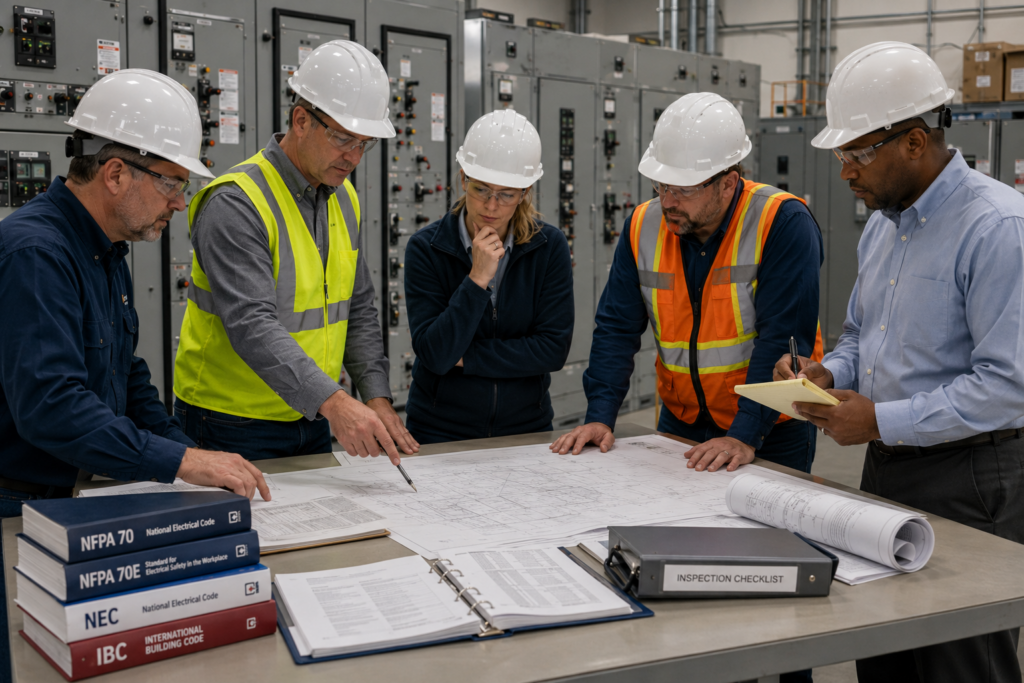
Example of consulting-specifying engineers and AHJ’s conferring over a project’s electrical code compliance.
Common Areas Where Identical Designs Produce Different Results
AHJ variability often becomes apparent in areas where codes allow multiple compliant approaches or where local practices have evolved over time. This inconsistency can lead to different interpretations and enforcement of the same code requirements, even for identical projects in neighboring jurisdictions. As a result, design and construction teams may face unexpected challenges, delays, or costs simply because the authority having jurisdiction applies the rules differently. Example scenarios include:
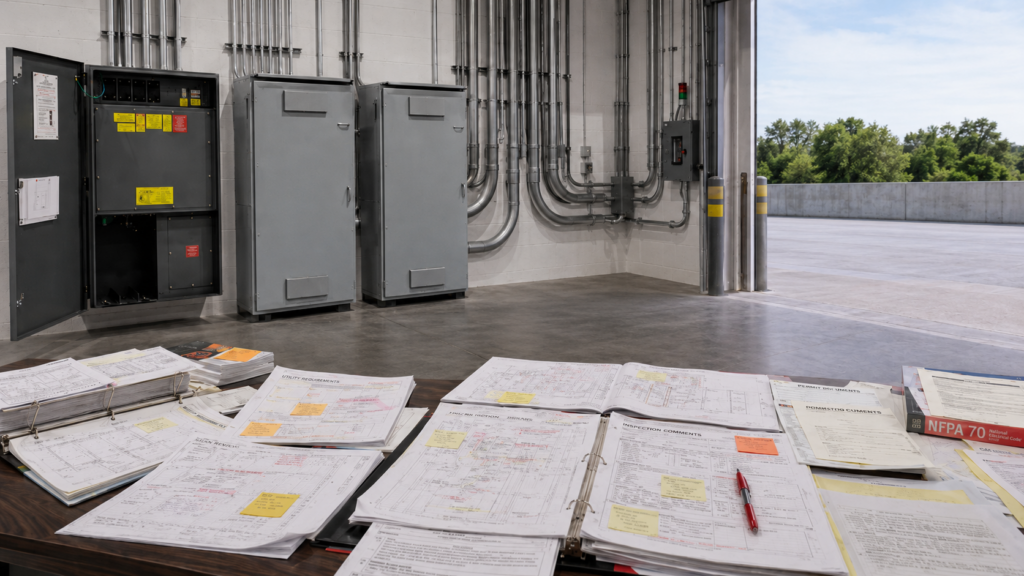
Examples of electrical inspection documentation.
Temporary Power Systems
Temporary power systems are a common example. While equipment may meet applicable standards, inspectors may differ in their expectations regarding grounding methods, connection procedures, equipment placement, or protective measures. Temporary installations frequently receive additional scrutiny because they are deployed in dynamic environments and often support critical operations.
Generator Connection Points
Requirements related to connection cabinets, interlocks, labeling, and operating procedures may be interpreted differently from one jurisdiction to another. What is routinely accepted in one location may prompt additional questions elsewhere.
Switchgear And Distribution Equipment
Working clearances, arc-flash labeling, maintenance access, equipment identification, and documentation requirements are all areas where inspectors may apply different levels of scrutiny.
Utility Interconnections
Utility companies often maintain requirements that extend beyond minimum code compliance. Protective device coordination, commissioning procedures, witness testing, and documentation expectations may differ significantly between service territories. Understanding the factors that drive these variations and preparing for them, can make all the difference in achieving a smooth, successful project outcome. In each case, the underlying design may remain technically sound. The challenge arises when assumptions made during design do not align with expectations at the point of inspection.
The Real Cost Of Inspection Surprises
When inspection issues emerge late in a project, the consequences often extend beyond the immediate correction. Schedule impacts are typically the most visible. Failed inspections can delay commissioning and create cascading effects across multiple project milestones. For facilities operating under tight construction schedules, even minor delays can become significant. These setbacks may require rescheduling specialized contractors, extending equipment rentals, or renegotiating delivery timelines.
Budget impacts often follow. Additional engineering reviews, field modifications, contractor labor, equipment adjustments, and reinspection fees can increase project costs. While individual changes may appear minor, their cumulative effect can be substantial. Unanticipated expenses can quickly erode contingency funds and force difficult decisions about project scope or quality. In some cases, these budget overruns may even threaten the financial viability of the entire project.
Facility owners and managers may also experience operational consequences. Delayed occupancy dates, postponed production schedules, and disruptions to planned facility upgrades can affect business objectives long after construction activities are complete. These setbacks can lead to lost revenue opportunities and challenges in meeting contractual obligations … both of which can strain client / customer relationships. In highly competitive industries, even brief operational delays can have lasting impacts on market position and organizational reputation.
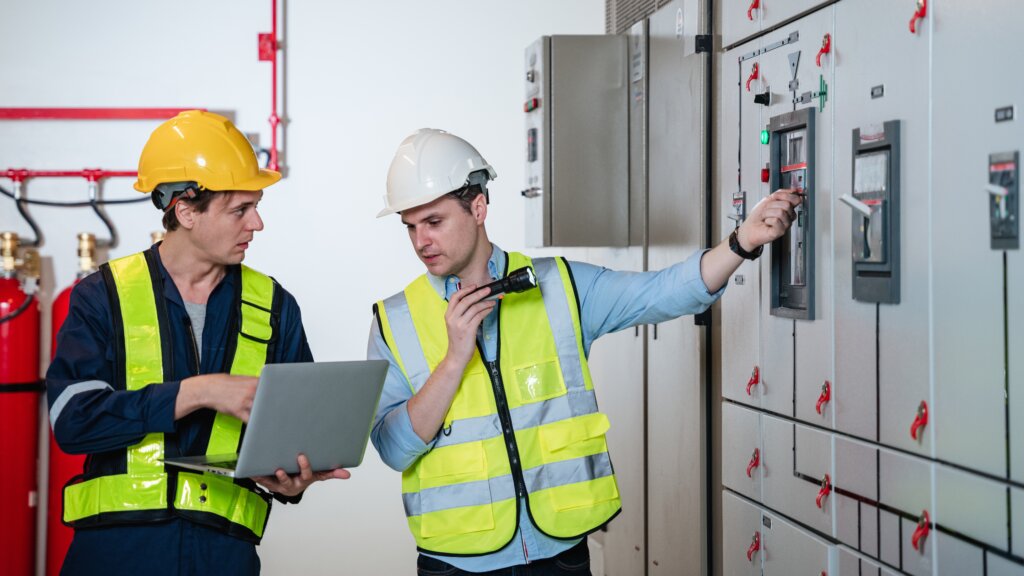
Example of AHJ’s inspecting and electrical panel.
Perhaps most importantly, late-stage surprises consume valuable project resources. Engineers, contractors, owners, and inspectors all spend time resolving issues that could have been addressed earlier through better coordination and communication. For firms managing multiple projects simultaneously, avoiding these disruptions can be just as valuable as reducing direct construction costs.
Designing With Inspection Success In Mind
Because AHJ variability is an unavoidable reality, successful project teams often focus on reducing uncertainty rather than attempting to eliminate it entirely. Early engagement remains one of the most effective strategies. Whenever practical, consulting engineers benefit from identifying AHJ expectations during the design phase rather than waiting until installation is complete. Preliminary discussions can help uncover local requirements, documentation preferences, and jurisdiction-specific concerns before they become project obstacles. This approach is particularly valuable for projects involving critical power systems, temporary power infrastructure, backup generation, healthcare facilities, data centers, and other applications where reliability and safety receive heightened scrutiny.
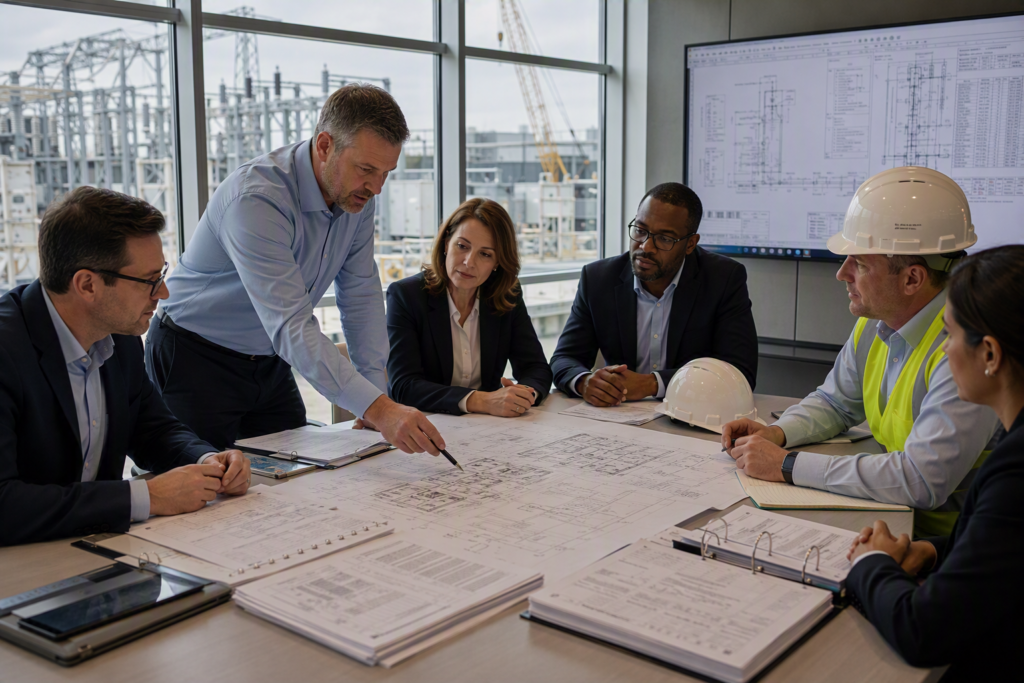
Example of an engineering team designing with inspection success in mind.
Clear specifications also play an important role. Detailed drawings, comprehensive equipment schedules, well-defined labeling requirements, and thorough testing criteria help reduce ambiguity throughout the project lifecycle. When expectations are clearly documented, contractors and inspectors have a stronger foundation for evaluating compliance.
Standardization can provide similar benefits. Engineered power connection solutions and pre-configured temporary power equipment often incorporate consistent labeling, documentation packages, and installation requirements. By reducing ambiguity in the field, standardized solutions can help project teams communicate design intent more clearly and support a smoother inspection process.
Engineers can further reduce risk by designing beyond minimum compliance requirements when appropriate. While code compliance establishes a baseline, incorporating proven industry practices and considering local expectations can improve the likelihood of a successful inspection. This does not mean overdesigning every project. Rather, it involves recognizing areas where additional clarity, documentation, or coordination may provide meaningful value.
While no equipment solution can eliminate differences in AHJ interpretation, purpose-built temporary power and connection systems can reduce opportunities for confusion by providing clear documentation, standardized interfaces, and well-defined installation requirements. When inspectors, contractors, and facility personnel share a common understanding of how equipment is intended to be installed and operated, the inspection process often becomes more predictable.
The Importance Of Stakeholder Alignment
Many inspection challenges stem not from technical deficiencies but from misaligned expectations among project participants. Facility owners may assume certain operational capabilities that are not reflected in the design. Contractors may interpret specifications differently than intended. Utilities may have requirements that emerge late in the project. AHJs may identify concerns that were never discussed during planning.
Bringing stakeholders together early can significantly reduce these risks. When consulting engineers coordinate with owners, utilities, contractors, equipment suppliers, and AHJs during project development, potential concerns can often be identified and addressed before construction begins. This collaborative approach becomes especially important for projects involving temporary power systems, portable generation, utility service upgrades, and critical infrastructure applications. In these environments, standardized equipment platforms can help establish a common understanding among engineers, contractors, operators, and inspectors. When connection methods, labeling conventions, and documentation are consistent from project to project, teams spend less time interpreting requirements and more time verifying compliance. These projects frequently involve multiple parties with overlapping responsibilities, making communication essential to successful execution.
The goal is not to seek approval for every design decision before construction starts. Rather, it is to create alignment around project objectives, operational requirements, and compliance expectations before those issues surface during inspection.
Turning An Unpredictable Variable Into A Manageable Risk
The AHJ will always remain a variable in project delivery. Different jurisdictions will continue to apply different priorities, local requirements, and enforcement practices. As a result, two projects that appear nearly identical on paper may still experience different inspection outcomes. However, variability does not have to translate into uncertainty. Consulting-specifying engineers can improve project outcomes by recognizing the AHJ’s role early, engaging stakeholders proactively, documenting requirements clearly, and designing with local expectations in mind. These steps help reduce the likelihood of late-stage surprises while supporting smoother commissioning and energization activities.
In the end, successful project delivery depends on more than achieving technical compliance. It requires understanding the real-world processes that govern how compliance is evaluated, interpreted, and approved. The most effective engineering teams are those that plan for the wildcard before it appears. Two projects may start with the same drawings and specifications, but successful outcomes often depend on anticipating the variables that exist beyond the plans … including the AHJ responsible for approving them.
Whether you need power solutions for multiple facilities or for a single localized AHJ, Trystar custom-engineers to your specifications. Reach out to our team to learn more.